Khmer Culture — Modern
Between
Between
Two Worlds
Cambodia's generation born after the war is building something new — and it sounds, looks, and moves like nothing else in Asia.
Cambodia's generation born after the war is building something new — and it sounds, looks, and moves like nothing else in Asia.
Cambodia's cultural story is often told as tragedy. The genocide, the lost artists, the destroyed institutions. But something else is happening now — and it's been happening for twenty years, quietly, without many people noticing.
When the Khmer Rouge fell in 1979, Cambodia's cultural infrastructure was essentially gone. An estimated 90% of artists, musicians, writers, and intellectuals had been killed or had fled. The classical dance tradition — Apsara dance, shadow puppetry, pinpeat music — existed only in the memories of a handful of survivors scattered across refugee camps in Thailand.
What followed is one of the most remarkable cultural reconstructions in modern history. Scholars, survivors, and their children spent the 1980s and 1990s painstakingly reassembling traditions from memory, from old photographs, from recordings made before 1975. They taught children. Those children grew up. And their children — the generation now in their twenties and thirties — are the first to inherit both the reconstructed tradition and the freedom to break it.

Apsara dance — 1,000 years old, and learning to live in the 21st century
Before 1975, Cambodia had a vibrant popular music scene. The 1960s Phnom Penh sound — a fusion of Khmer folk melodies, American rock, surf guitar, and French chanson — produced artists like Sinn Sisamouth, Ros Sereysothea, and Pan Ron who created a music unlike anything else on earth. If you haven't heard it, search it out. It sounds like what happens when a culture absorbs everything it can reach and turns it into something completely its own.
Most of these artists were killed by the Khmer Rouge. For decades, their music survived only on scratchy cassette tapes passed between survivors. Today, there's a genuine revival. Labels are remastering and reissuing the old recordings. Young Cambodian musicians are sampling the 60s sounds, layering them with hip-hop, electronic production, and modern Khmer lyrics. The band Dengue Fever — an American group obsessed with the genre — helped bring it to international attention.
In the clubs of Phnom Penh's BKK1 and Riverside districts, a new sound is emerging: Cambodian trap, Khmer R&B, post-punk bands singing in both Khmer and English. The young creative scene is real, underground, and growing.
Cambodian cinema before 1975 was thriving — over 300 films were made in the 1960s and early 70s, a remarkable output for a country of its size. The Khmer Rouge destroyed as many prints as they could find, banned cinema entirely, and killed or exiled most of the industry's practitioners.
The reconstruction has been slow. But in the last decade, a generation of young Cambodian filmmakers — many trained abroad, many returning — has been producing work that is gaining international recognition. Directors like Rithy Panh have spent their careers documenting the genocide and its aftermath with a formal rigor that is demanding and devastating. Younger directors are beginning to move beyond trauma: making comedies, genre films, art-house experiments that treat Cambodia not as a wound but as a place where people live complicated lives.
Walk through the Boeung Keng Kang 1 (BKK1) neighborhood of Phnom Penh on a Saturday morning and you will encounter: specialty coffee roasters, independent bookshops stocking Cambodian literature in translation, galleries showing works by young Khmer artists exploring identity, trauma, digital culture, and desire in equal measure.
Cambodian fashion designers are beginning to gain regional attention. The krama — the traditional checkered cotton scarf that Cambodians have worn for centuries — is being reinterpreted by young designers as everything from streetwear to couture. It appears in unexpected contexts: wrapped around a motorcycle rider's face, repurposed as a beach bag, screen-printed with modern graphics.
The traditional arts haven't disappeared — Apsara dance, lacquerwork, silk weaving on the banks of the Mekong — but they exist now alongside a contemporary art scene that is processing the same material from a completely different angle. Both are Khmer. Both are necessary.
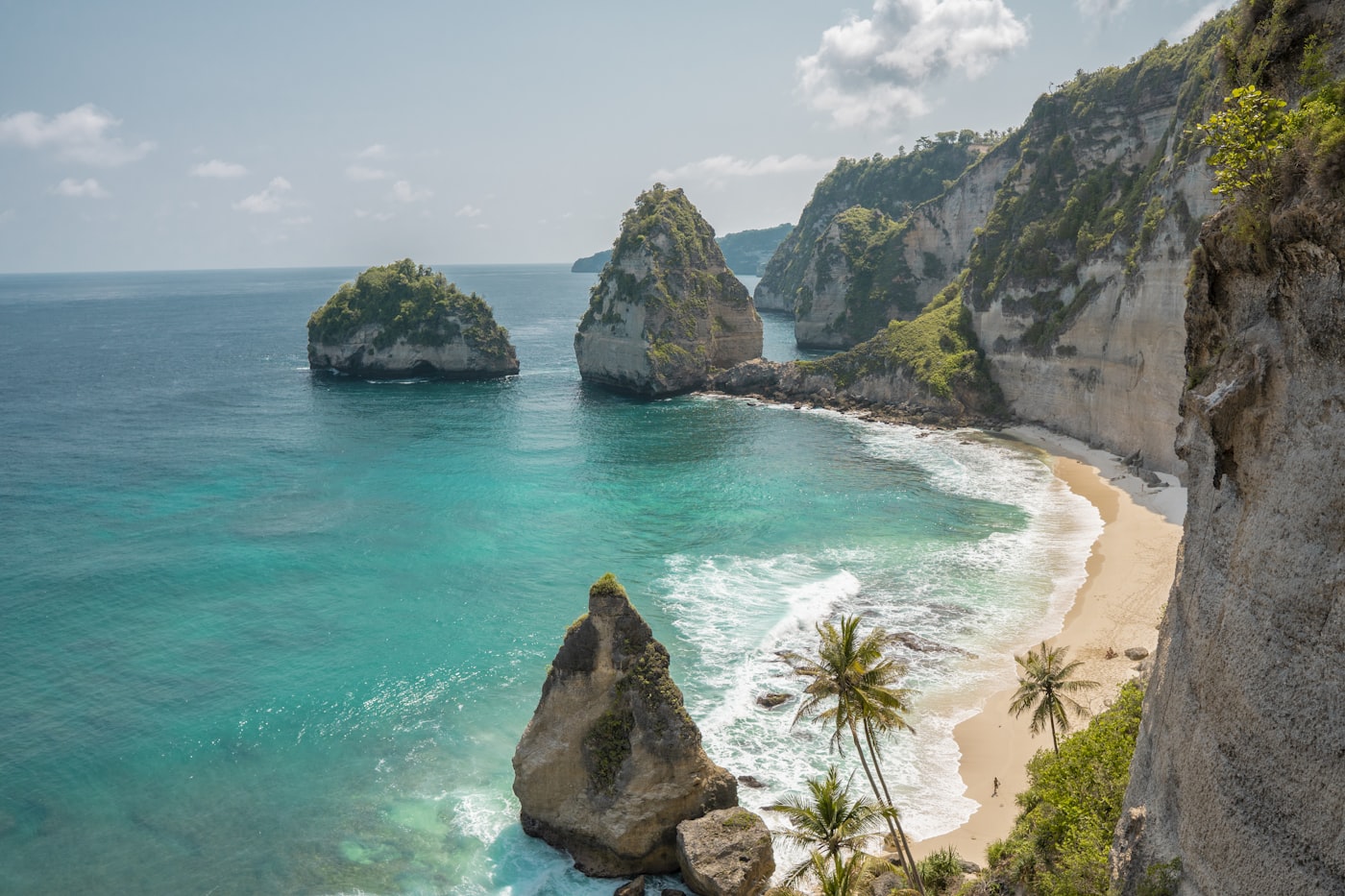
Phnom Penh's creative quarter — the old city and the new one, side by side
One thing that makes Cambodian culture distinctly unlike any other in Southeast Asia: the proximity of catastrophe. Almost every Cambodian family above a certain age has direct experience of the genocide. Almost every young Cambodian has lost grandparents, great-aunts and uncles, family members whose fates were never determined.
This shapes the culture in ways that are not always visible on the surface. The Cambodian relationship with authority, with the past, with joy itself carries this weight. A laugh in a Phnom Penh bar sits on top of something. Not everyone wants to name it. But it is there, and it makes everything — the music, the art, the food, the conversations — carry a different specific gravity than it would anywhere else.
The generation now coming of age is the first that did not live through the war. They are inheriting a trauma they did not experience but cannot escape. How they metabolize that — through art, through music, through fashion, through food, through simply living — is one of the most interesting cultural stories in contemporary Asia.
Cambodia is not a country recovering from its past. It is a country constructing its future, in full view, with full awareness of what was destroyed. That is something else entirely.
L'histoire culturelle du Cambodge est souvent racontée comme une tragédie. Le génocide, les artistes perdus, les institutions détruites. Mais quelque chose d'autre se passe depuis vingt ans — discrètement, sans que beaucoup de gens le remarquent.
Quand les Khmers rouges sont tombés en 1979, l'infrastructure culturelle cambodgienne était pratiquement anéantie. On estime que 90 % des artistes, musiciens, écrivains et intellectuels avaient été tués ou avaient fui. La tradition de la danse classique — danse Apsara, théâtre d'ombres, musique pinpeat — ne survivait que dans les mémoires d'une poignée de survivants dispersés dans les camps de réfugiés en Thaïlande.
Ce qui suivit est l'une des reconstructions culturelles les plus remarquables de l'histoire moderne. Des chercheurs, des survivants et leurs enfants ont passé les années 1980 et 1990 à reconstituer patiemment les traditions de mémoire, à partir de vieilles photographies, d'enregistrements d'avant 1975. Leurs enfants — la génération aujourd'hui dans la vingtaine et la trentaine — sont les premiers à hériter à la fois de la tradition reconstruite et de la liberté de la briser.
Avant 1975, le Cambodge avait une scène de musique populaire vibrante. Le son Phnom Penh des années 1960 — une fusion de mélodies folkloriques khmères, de rock américain, de guitare surf et de chanson française — a produit des artistes comme Sinn Sisamouth, Ros Sereysothea et Pan Ron. Une musique totalement unique. La plupart de ces artistes ont été tués par les Khmers rouges.
Aujourd'hui, il y a un vrai renouveau. Des labels remasterisent et rééditen les anciens enregistrements. De jeunes musiciens cambodgiens samplèrent les sons des années 60, les superposant avec du hip-hop, de la production électronique et des paroles khmères modernes. Dans les clubs de BKK1 et du Riverfront, un nouveau son émerge : trap cambodgien, R&B khmer, groupes de post-punk chantant à la fois en khmer et en anglais.
Le cinéma cambodgien d'avant 1975 était florissant — plus de 300 films produits dans les années 1960. Les Khmers rouges ont détruit autant de copies que possible. La reconstruction a été lente, mais une génération de jeunes cinéastes cambodgiens — beaucoup formés à l'étranger, beaucoup de retour — produit un travail qui gagne une reconnaissance internationale.
Les jeunes créateurs commencent à dépasser le seul sujet du trauma : comédies, films de genre, expériences art-house qui traitent le Cambodge non pas comme une blessure, mais comme un lieu où les gens mènent des vies complexes. Le krama — l'écharpe traditionnelle en coton à carreaux — est réinterprété par de jeunes designers comme vêtement de rue ou couture. La scène artistique contemporaine existe désormais aux côtés des arts traditionnels. Les deux sont khmers. Les deux sont nécessaires.
Ce qui rend la culture cambodgienne distincte de toutes les autres en Asie du Sud-Est : la proximité de la catastrophe. Presque chaque famille cambodgienne au-dessus d'un certain âge a une expérience directe du génocide. La génération qui accède à l'âge adulte aujourd'hui hérite d'un trauma qu'elle n'a pas vécu mais dont elle ne peut pas s'échapper. La façon dont elle le métabolise — à travers l'art, la musique, la mode, simplement en vivant — est l'une des histoires culturelles les plus fascinantes de l'Asie contemporaine.
Le Cambodge n'est pas un pays qui se remet de son passé. C'est un pays qui construit son avenir, à vue d'œil, avec une pleine conscience de ce qui a été détruit. Ce n'est pas la même chose.
Kambodschas Kulturgeschichte wird oft als Tragödie erzählt. Der Völkermord, die verlorenen Künstler, die zerstörten Institutionen. Aber seit zwanzig Jahren geschieht etwas anderes — leise, ohne dass viele Menschen es bemerkt hätten.
Vor 1975 hatte Kambodscha eine lebhafte Popmusikszene. Der Phnom-Penh-Sound der 1960er Jahre — eine Fusion aus Khmer-Volksmelodien, amerikanischem Rock, Surf-Gitarre und französischer Chanson — brachte Künstler wie Sinn Sisamouth und Ros Sereysothea hervor. Die meisten dieser Künstler wurden von den Roten Khmer getötet. Heute gibt es eine echte Wiederbelebung: junge Khmer-Musiker sampeln die 60er-Sounds, überlagert mit Hip-Hop, elektronischer Produktion und modernen Khmer-Texten.
Die traditionellen Künste sind nicht verschwunden — Apsara-Tanz, Lackarbeiten, Seidenweben — aber sie existieren nun neben einer zeitgenössischen Kunstszene, die dasselbe Material aus einem völlig anderen Blickwinkel verarbeitet. Die Generation, die jetzt heranwächst, ist die erste, die den Krieg nicht erlebt hat. Sie erbt ein Trauma, das sie nicht erfahren hat, dem sie aber nicht entkommen kann. Wie sie es verarbeitet — durch Kunst, Musik, Mode, einfach durch das Leben — ist eine der interessantesten Kulturgeschichten im heutigen Asien.
Kambodscha ist kein Land, das sich von seiner Vergangenheit erholt. Es ist ein Land, das seine Zukunft aufbaut — mit vollem Bewusstsein dessen, was zerstört wurde.